2026 Top Types of Insulated Wire Terminals?
Choosing the 2026 top types of Insulated Wire Terminals requires more than comparing shapes, colors, or package prices. The right terminal must match the wire size, conductor material, insulation diameter, current load, vibration level, and installation method. A red vinyl butt connector may suit a small repair, while a heat-shrink ring terminal offers stronger sealing around a battery connection. Small details matter.
Electrical connection specialist John R. Kunkel offers a practical warning: “A terminal is only as reliable as the crimp that holds it.” That statement captures the central issue. Even a high-quality terminal can fail when the wrong die, wire gauge, or crimping pressure is used. The copper strands may look secure, yet loosen under heat and vibration. That mistake is easy to miss.
This guide examines the leading Insulated Wire Terminals for 2026, including butt, ring, fork, spade, bullet, quick-disconnect, and heat-shrink types. Each option serves a different purpose. Some prioritize fast field installation. Others provide better moisture resistance or mechanical stability. Materials also deserve attention, especially tinned copper, nylon insulation, vinyl insulation, and adhesive-lined heat-shrink tubing.
Real projects are rarely perfect. Wire sizes may vary, tools may be worn, and installation space may be tight. Therefore, terminal selection should include practical testing, not catalog reading alone. Look for secure crimping, clean insulation support, smooth mating surfaces, and visible strain protection. A cheaper terminal can become expensive after one intermittent fault. Reliability begins before the crimp.
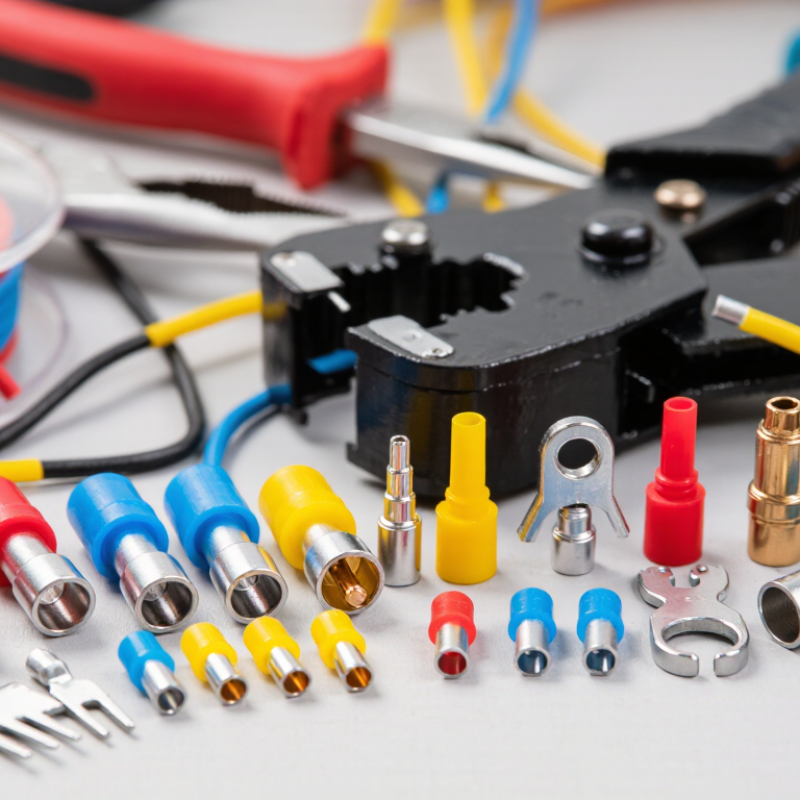
Insulated Wire Terminals: Definition, Structure, and Core Functions
2026 Top Types of Insulated Wire Terminals?
Insulated wire terminals create a controlled connection between a conductor and electrical equipment. Their basic structure includes a conductive contact, crimp barrel, insulation sleeve, and entry opening. The metal barrel grips stripped wire strands. The sleeve reduces accidental contact, moisture exposure, and short-circuit risk. Small parts matter.
Ring, fork, pin, butt-splice, and quick-disconnect terminals serve different installation needs. Ring terminals resist pullout during vibration. Fork terminals support faster removal. Butt-splice terminals join two wires inside one insulated sleeve. Pin terminals fit narrow clamp openings. Quick-disconnect types suit serviceable panels and compact harnesses.
The International Electrotechnical Commission’s IEC 60999-1 standard emphasizes secure conductor clamping and reliable contact pressure. Crimped connections also require suitable tooling, conductor sizing, and controlled compression. A loose crimp can increase resistance and heat. That failure is easy to miss during visual inspection. UL 486A-486B testing addresses mechanical strength, temperature rise, and electrical performance for crimped connectors. These requirements explain why terminal structure matters beyond appearance.
Grand View Research estimated the global wire and cable market at about USD 216 billion in 2023, with continued growth through 2030. That expansion increases demand for dependable connection components. Yet market growth does not guarantee installation quality. In field work, poor stripping, uneven crimping, and unsupported cable movement remain common weaknesses. Terminal selection should match wire size, current load, environment, and maintenance access. The boundary between “acceptable” and “excellent” installation is sometimes narrower than expected.
2026 Top Types of Insulated Wire Terminals
Insulated Wire Terminals: Definition, Structure, and Core Functions
Insulated wire terminals are conductive connectors covered by an insulating sleeve or housing. Common insulation materials include PVC, nylon, polyolefin, PTFE, and silicone. The chart compares their typical continuous temperature ratings, which influence terminal selection for automotive, industrial, appliance, and high-temperature wiring applications. Actual limits depend on terminal construction, conductor size, crimp quality, voltage, and applicable safety standards.
Major Types of Insulated Wire Terminals in 2026
Major Types of Insulated Wire Terminals in 2026
Insulated wire terminals convert stripped conductors into stable connection points. Ring terminals provide strong retention under screw fastening. Fork terminals install faster, but vibration can loosen poorly tightened hardware. Pin terminals fit compact spring-clamp blocks and crowded control cabinets. Butt connectors join two wires inside an insulated sleeve. Male and female quick-disconnect terminals support frequent maintenance and testing.
The choice depends on current, conductor size, vibration, moisture, and available space. According to Grand View Research, the global wire and cable market reached about USD 216.6 billion in 2023. That scale reflects growing demand for dependable connection components, not just longer cables. IEC 60999-1 emphasizes secure clamping and suitable conductor preparation. IEC 61238-1 also addresses electrical and mechanical performance for compression connections.
Small details matter. A ring terminal with the wrong stud diameter may rotate or crack. An oversized butt connector can trap air and moisture. I have seen installations fail because the insulation looked perfect while the crimp was weak. That is the uncomfortable lesson. Tool quality, die selection, and pull testing deserve more attention. In 2026, insulated terminals are becoming more application-specific, yet universal claims remain risky. A terminal rated for a dry cabinet may perform poorly beside heat, oil, or repeated movement. Always verify the terminal’s material, temperature range, wire gauge, and test documentation before installation.
Terminal Materials, Insulation Grades, and Color-Coding Standards
Selecting insulated wire terminals in 2026 requires more than matching a hole to a screw. Terminal materials affect conductivity, corrosion resistance, and crimp strength. Tinned copper suits many copper conductors and damp locations. Bare copper offers excellent conductivity but needs suitable environmental protection. Aluminum terminals require compatible preparation and careful torque control. Material choice should reflect conductor metal, current, vibration, and installation conditions. I have found that a reliable crimp begins with correct stripping, not excessive force. Small details matter.
Insulation grades deserve equal attention. PVC insulation is common for general wiring, while nylon often provides better abrasion resistance. Heat-shrink insulation can improve sealing around the crimp area. Check the terminal’s temperature and voltage ratings against the actual circuit, including heat near motors or enclosed panels. A higher temperature rating does not automatically make a terminal suitable for every application. Standards and test methods may differ by region. Read the technical documentation.
Color coding speeds selection, but it is not universal. Red, blue, and yellow commonly indicate different conductor ranges. The exact range can vary between terminal systems. Always verify the printed specification, conductor size, and crimp profile. Transparent insulation helps reveal incomplete conductor insertion. That is useful. I once treated color as a shortcut and nearly selected the wrong size. Visual coding supports inspection, but measurement and a controlled pull test provide stronger evidence. Testing should follow the applicable electrical standard and the installer’s documented procedure.


