


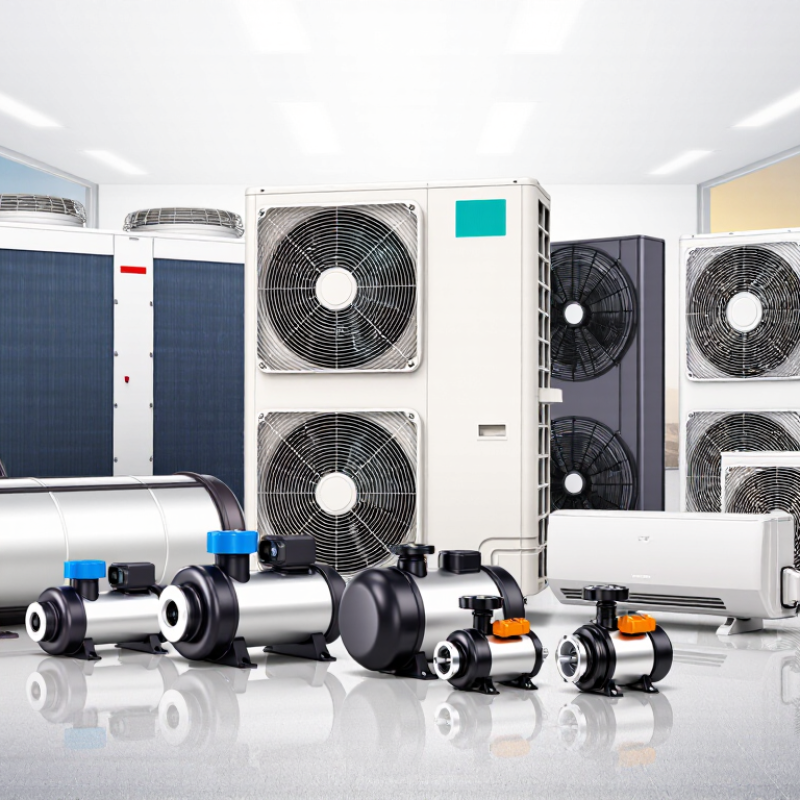
Choosing the Right Air Condition Pump for Different Global Markets
The best air-conditioning pump depends on climate, building design, and maintenance access. Climate changes everything. In humid coastal regions, condensate pumps need corrosion-resistant materials and reliable drainage. A small, quiet model may suit apartments, but commercial systems often require higher lift and continuous-duty performance.
Cold markets usually need heat pump systems with strong low-temperature performance. Their outdoor units must manage frost, drainage, and repeated defrost cycles. In hot, dry regions, circulation pumps should tolerate high operating temperatures and dusty conditions. Variable-speed pumps can reduce energy use when cooling demand changes, though their controls may require better technician training.
Electrical supply also matters. Buyers should confirm voltage, frequency, motor protection, and local installation requirements before ordering. Water quality can affect circulation pumps in large buildings, especially where mineral deposits build inside narrow passages. Field inspections often reveal a simple mistake: the pump was selected by capacity alone. That is not enough. Measure twice. Review noise, service access, spare parts, and expected operating hours. A pump with excellent specifications can still fail commercially if local technicians cannot repair it. Some projects also need backup drainage or alarm signals, particularly in hospitals, hotels, and equipment rooms. Regional testing and documentation should be checked carefully. The perfect choice is rarely the strongest pump; it is the one that fits the market, system, and people maintaining it.